
Our group at the University of Sydney’s Save Sight Institute and Brain and Mind Centre specialises in smouldering inflammation in multiple sclerosis — the chronic, low-grade disease activity that accumulates silently between relapses and drives long-term disability.
We develop and apply advanced MRI analysis methodology to quantify this activity at the lesion level, track it longitudinally, and evaluate how current and emerging therapies affect it. Our work has been taken up by pharmaceutical partners including Merck, Novartis, and REKOVER, and by research collaborators across Europe and Scandinavia.
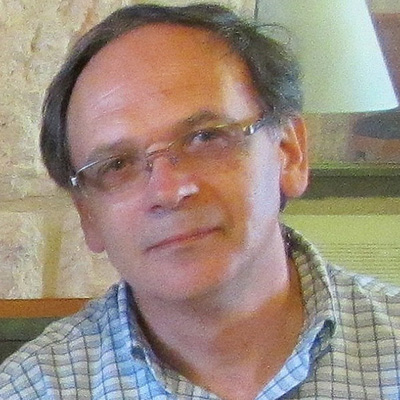
Professor Alexander Klistorner
Lead Investigator
Professor Klistorner leads our neuroimaging and electrophysiology research at the University of Sydney, bringing over 20 years of dedicated expertise in multiple sclerosis research. His pioneering work focuses on understanding demyelination, neurodegeneration, and chronic inflammation in MS through innovative imaging and electrophysiological techniques.
As a founding member of the IMSVISUAL consortium, an international group studying visual systems in MS, Prof Klistorner has shaped the field’s research directions and clinical trial methodologies. His contributions include developing new methodologies for analyzing multifocal visual evoked potentials, leading to 7 patents and establishing new standards in the field. With over 150 publications and an h-index of 53, his research has significantly advanced our understanding of MS pathology.
Prof Klistorner has secured over $7 million in research funding from prestigious organizations including NHMRC and the National MS Society (USA). His leadership extends to mentoring the next generation of researchers, having supervised 10 PhD students to completion, with four now leading their own research groups as Associate Professors. He continues to chair MS research group meetings at the Brain Mind Center while supervising multiple clinical visual electrophysiology labs.

Samuel Klistorner
Lead Software Engineer and Research Scientist
Samuel Klistorner is an MS Australia Postdoctoral Fellow and Research Scientist at the University of Sydney’s Brain and Mind Centre. His research focuses on smouldering inflammation in MS — specifically the mechanisms, measurement, and treatment of chronic lesion tissue expansion (CLTE).
He developed LEAP (Lesion Expansion and Analysis Pipeline), the automated MRI methodology underpinning this group’s lesion expansion research, and has applied it across large longitudinal cohorts, multi-centre observational studies, and commercial clinical trial analyses for Merck. He holds over 10 first-author publications in peer-reviewed journals and presents regularly at ECTRIMS and the MS Research Australia Annual Conference.
Samuel is Chief Investigator or Co-Investigator on multiple active grants, including funding from MS Australia, and the MRFF. His international collaborations include research groups at Charité Berlin, University of Nottingham, University of Turku, and Hospital Vall d’Hebron (Barcelona).
 MS Lesion Analytics