
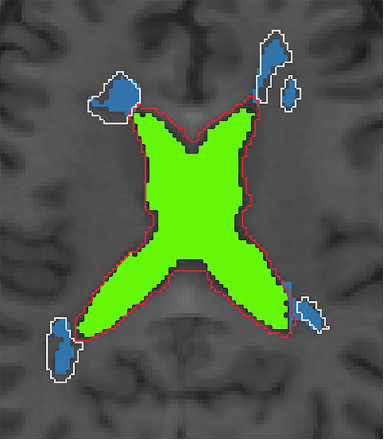
This study investigates how inflammation, including chronic and acute lesion activity, contributes to central brain atrophy (CBA) in patients with relapsing-remitting multiple sclerosis (RRMS).
Key Findings:
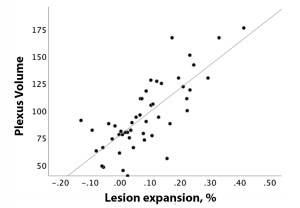
- Ventricular Enlargement: Over 4 years, patients experienced an average 12.6% increase in ventricular volume, driven largely by chronic lesion expansion.
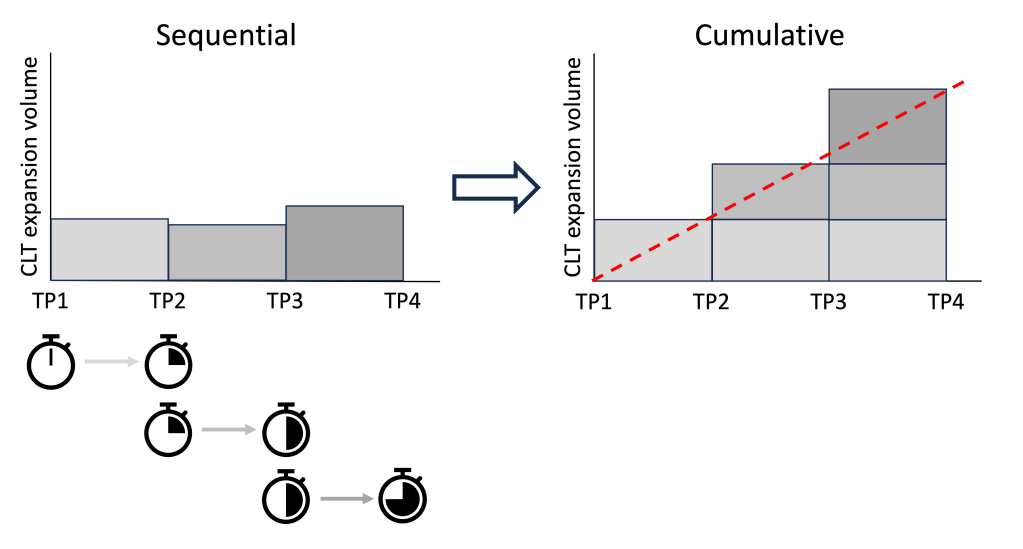
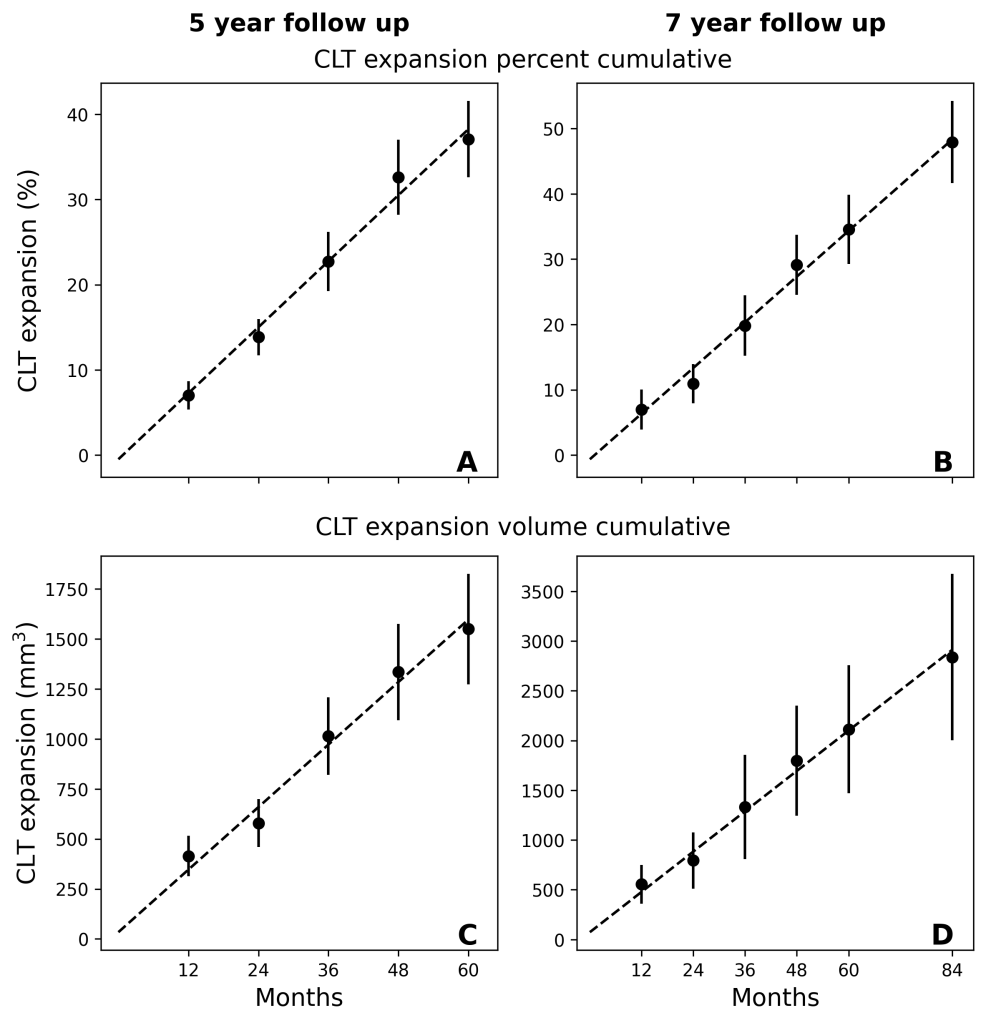
- Inflammatory Impact: Chronic lesion activity accounted for 69% of total lesion volume increase and emerged as the primary factor driving CBA.
- Tissue Damage Severity: Incorporating measures of tissue damage significantly improved the understanding of how lesions contribute to atrophy, explaining 90% of CBA variability.
Clinical Implications:
- Chronic lesion expansion plays a pivotal role in neurodegeneration, underscoring its importance as a biomarker for MS progression.
- Ventricular enlargement, a reliable and precise measure of CBA, offers a practical tool for monitoring MS progression and assessing treatment efficacy.

Why It Matters:
Understanding the mechanisms behind CBA enhances our ability to monitor MS progression, predict outcomes, and optimise therapeutic strategies.


 MS Lesion Analytics